Agentic AI: From Insight to Execution in Regulated Enterprises
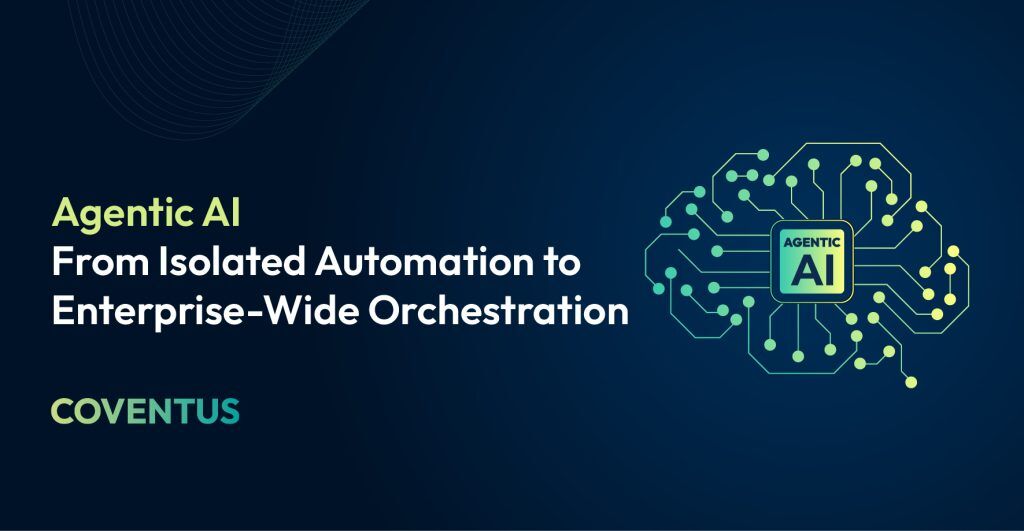
Executive Summary Most enterprise AI programs remain trapped in conversational sandboxes. While they excel at summarizing documents and answering queries, they lack the capability to execute work. Agentic AI is fundamentally different: it plans, executes, and governs workflows end-to-end, maintaining a rigorous audit trail at every step. For regulated enterprises, effective adoption depends on more […]
From Legacy Systems to Intelligent Operations: An AI-Enabled Modernization Case Study
Executive Summary A mid-sized insurance provider reached a critical inflection point. Legacy architecture was blocking AI adoption, fragmented data prevented real-time insight, and manual processes were slowing both claims and product delivery. Coventus partnered with the firm to design and execute an AI-enabled modernization roadmap, transforming business-critical applications into intelligent, event-driven platforms. The outcome: 55% […]
AI Governance Beyond Security: Operating Models for Responsible AI at Scale
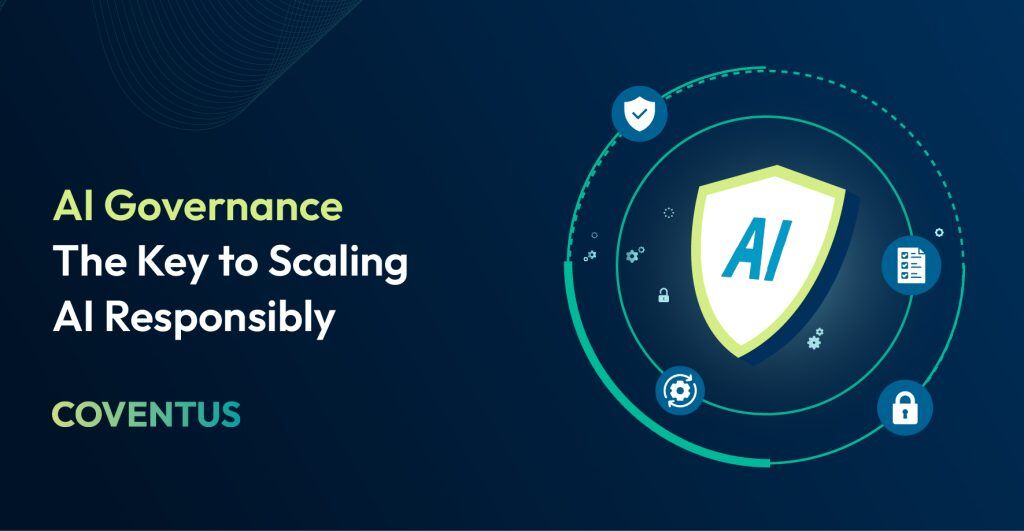
Introduction: The Hidden Risk in Scaling AI In Blog 1, we emphasized that “AI ready” is more than tools. It is the foundation an organization must establish prior to the successful implementation of AI. In Blog 2, we illustrated how an enterprise AI Roadmap translates that readiness into a clearly defined strategic plan. Blog 3 […]
Building Intelligent Enterprise Apps with AI-Enhanced Power Apps Using Custom Connectors & Azure OpenAI
Smart Business Apps in the Digital Age: From Automation to Intelligence In recent years, we’ve seen Power Apps primarily used to digitize paper forms and streamline business processes. Although we had solid tools available to us, they were also somewhat limited. But times are changing fast, and we are entering a whole new era of […]
Microsoft Power Platform: How To Rapidly Enhance Your Operational Effectiveness and Grow Your Company
Replacing Legacy Solutions Like Spreadsheets, E-mail, InfoPath, and Paper-Based Solutions Using Power Apps & Power Automate. Introduction: Why Business Process Automation Is Important Most businesses don’t realize how much time they spend working through inefficiencies. Managers spend hours trying to get approval via e-mail. Team members update the same spreadsheet in three locations. Requests sit […]
SharePoint Intelligent Document & Site Management for Modern Businesses

When teams spend more time searching for documents than using them, productivity suffers, decision-making slows down, and risk quietly increases. Most organizations store documents across shared drives, email attachments, and multiple collaboration tools. As a result, teams struggle with outdated versions, duplicated work, and inconsistent access controls. SharePoint online document management brings structure to this […]
Automation vs. RPA vs. AI in Insurance: What’s the Difference and Why It Matters
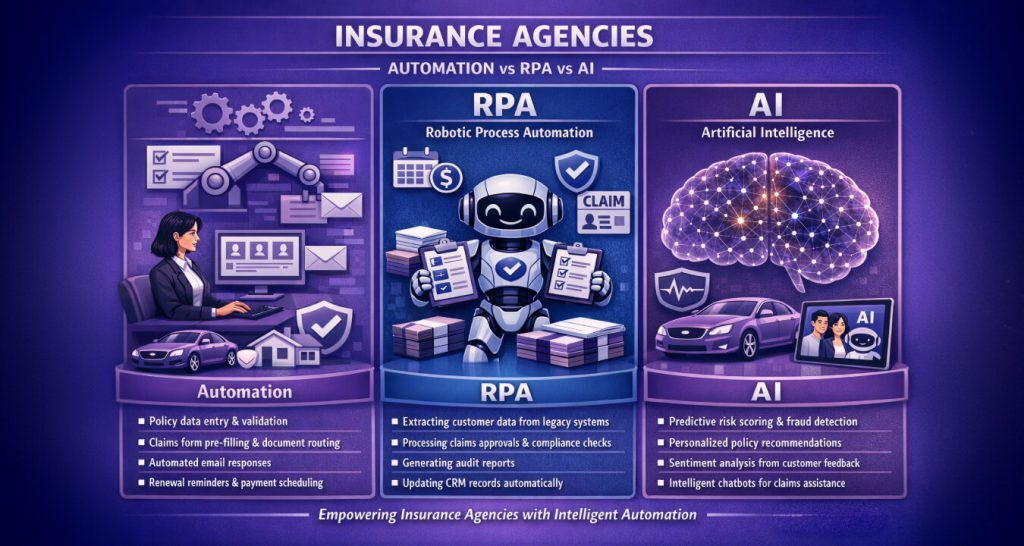
Insurance agencies are under more pressure than ever. Rising customer expectations, shrinking margins, talent shortages, and increasing regulatory scrutiny are forcing agencies to modernize faster than they ever have before. Automation, RPA, and AI are everywhere right now, but they are also frequently mixed up. And when the differences are not clear, agencies end up […]
AI Governance Checklist for Insurance Agencies
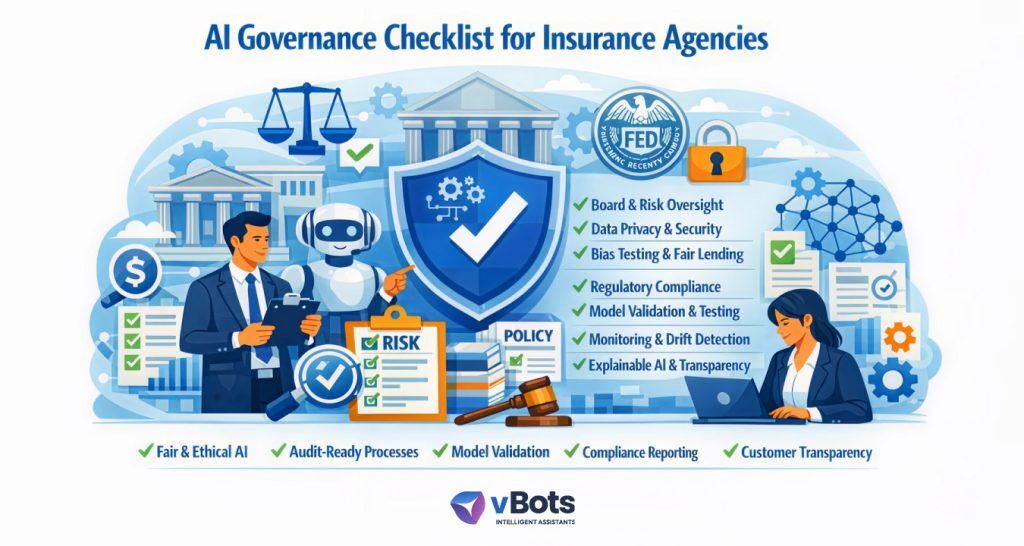
Artificial intelligence is transforming how insurance agencies operate, from underwriting and claims processing to customer engagement and fraud detection. But with innovation comes responsibility. Establishing a robust AI governance framework ensures that automation aligns with ethical, regulatory, and operational standards. This checklist helps agencies implement governance that builds trust, transparency, and compliance. 1. Governance Structure […]
Building a Scalable, Cloud-Based Mobile Solution for Real-Time Asset Visibility
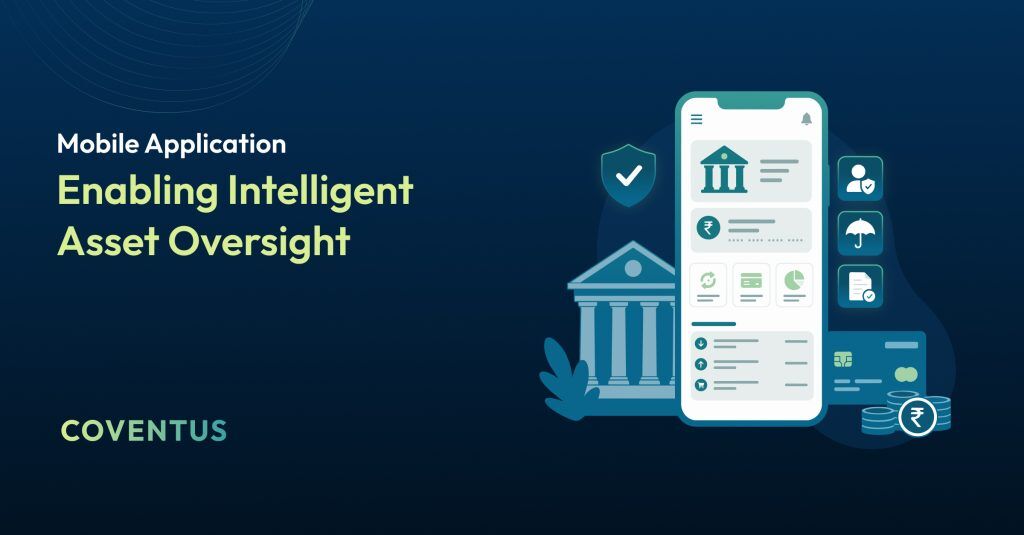
Executive Summary A company experiencing steady growth was encountering serious operational difficulties as their mobile app was unable to keep up with the growing number of users and the increasing volume of data. The company encountered common issues with scale: the app became slower, less stable, and less able to support new features. The problem was not the idea behind the app; it was […]
Legacy Application Modernization: Enabling AI-Driven Enterprise Transformation
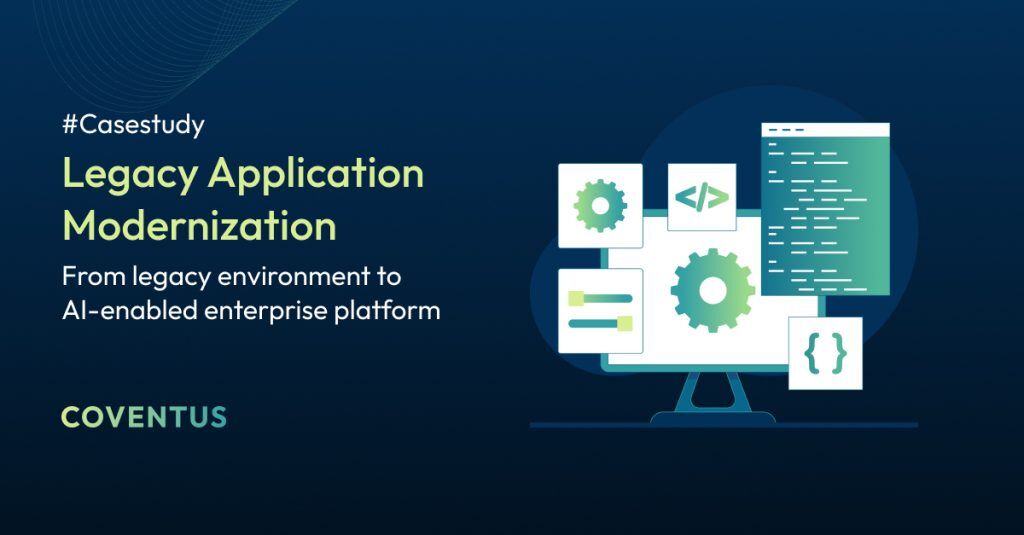
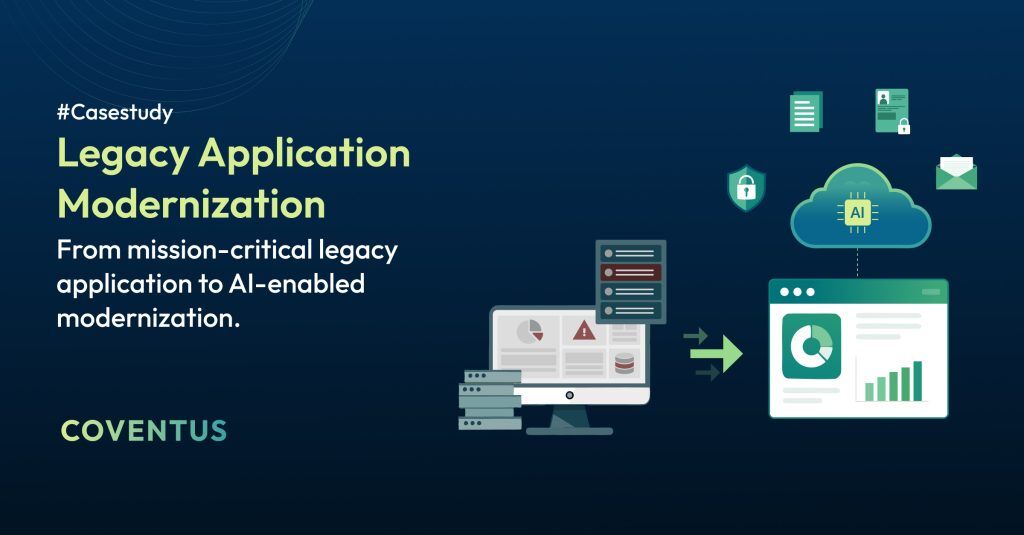
Executive Summary A mid-sized enterprise operating mission-critical legacy systems felt increasing pressure to speed up its digital transformation and embed AI-enabled enterprise solutions into key business workflows. These legacy applications were monolithic and tightly coupled, making them very difficult to scale, and they were not designed to support modern AI modernization services. Although stable, these systems restricted innovation, limited integration […]